

Bitcoin Magazine
Bitcoin Suffers On Renewed US-Iran Fighting
On Thursday, the price of Bitcoin experienced a downward slide following a surge in oil prices above $105 per barrel, driven by escalating conflicts in the Middle East.
Recently, the leading and oldest digital asset changed hands at $77,208, having previously dropped to a low of $76,748—marking a decrease of over 2% within a 24-hour period.
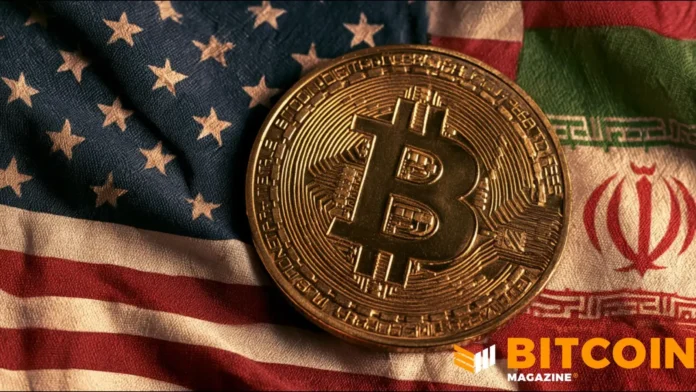
This cryptocurrency pullback followed Tehran’s indication that it refuses to retreat from confrontations with American forces. Earlier in the week, both nations intensified their strikes in some of the most severe combat witnessed since the conflict began in February.
Additionally, Tehran-supported Houthi forces located in Yemen targeted Saudi Arabian assets during the week, which further contributed to the upward pressure on oil prices.
Middle Eastern conflicts drive crude prices upward, thereby reducing the likelihood of interest rate reductions due to inflationary pressures. Historically, Bitcoin thrives in low-rate conditions and encounters sell-offs whenever the Federal Reserve adopts a hawkish stance.
Currently, the United States faces an affordability crisis, making escalating oil expenses a prominent issue leading up to the midterm elections. U.S. President Donald Trump has offered reassurance to voters that these costs will be brought under control.
During his inaugural address as central bank leader, Federal Reserve Chair Kevin Warsh noted that inflation within the world’s premier economy has not subsided sufficiently.
Market participants are currently anticipating an interest rate increase during the upcoming central bank meeting next week.
Even so, Bitcoin achieved one of its strongest performances in August after the U.S. Treasury revealed plans to at least double its liquidity-support buyback operations in an effort to combat soaring borrowing costs.
While that announcement negatively impacted the U.S. dollar, non-yielding assets such as gold and Bitcoin derived advantages from the move.
Although it previously moved in sync with risk-on equities like technology stocks, Bitcoin has increasingly tracked alongside gold this year as the debasement trade regains popularity.
Market participants have acquired the premier cryptocurrency alongside precious metals to serve as a hedge against the falling value of the dollar.
Frequently Asked Questions
Why did Bitcoin’s price drop recently?
Bitcoin’s price slipped over 2% after renewed US-Iran fighting pushed oil prices above $105 a barrel.
How do Middle Eastern conflicts affect interest rates and Bitcoin?
War in the Middle East drives oil prices higher and increases inflation, lowering the chances of interest rate cuts. Bitcoin typically struggles when the Federal Reserve turns hawkish and avoids cutting rates.
What is driving investors to buy Bitcoin alongside gold?
Investors are purchasing Bitcoin and gold as a hedge against the decline of the U.S. dollar amid a resurgence of the debasement trade.
What did Federal Reserve Chair Kevin Warsh say about inflation?
In his first speech as central bank leader, Kevin Warsh stated that inflation in the world’s largest economy had not come down enough.