


Bitcoin Magazine
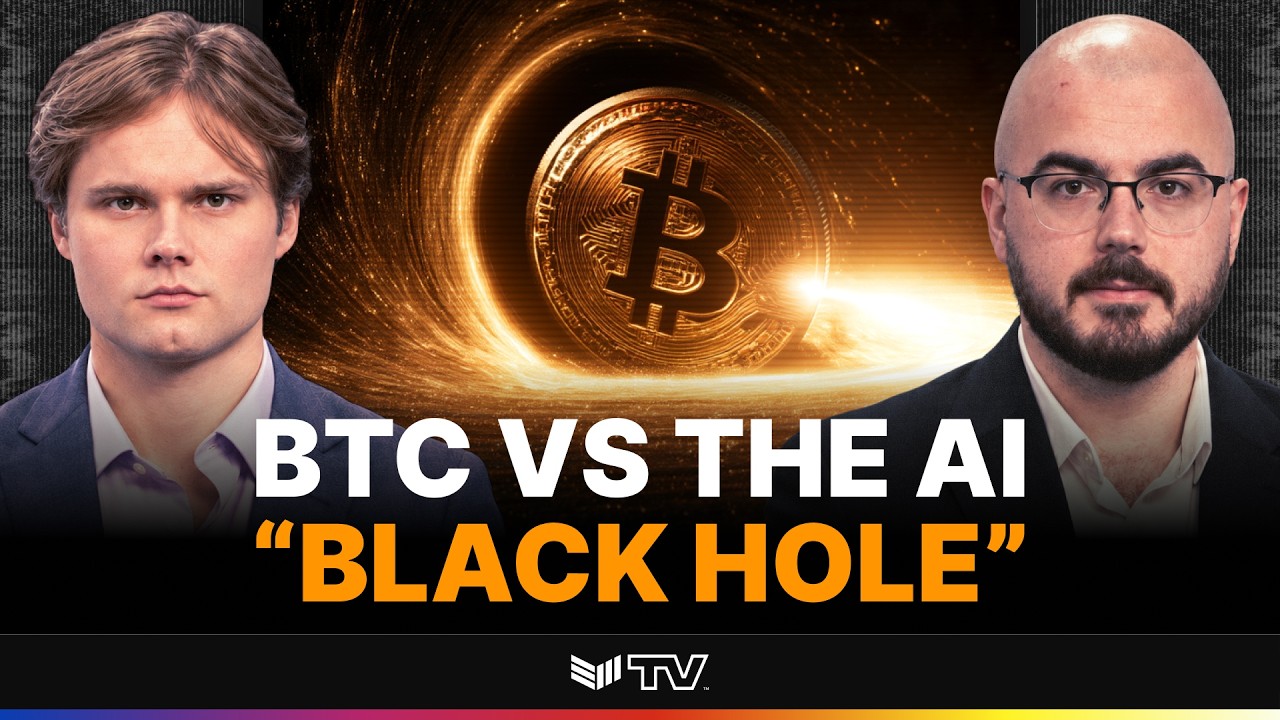
Rob Hamilton: The AI “Black Hole” is Pulling Liquidity Away from Bitcoin
AnchorWatch CEO Rob Hamilton maintains a long-term bullish outlook on Bitcoin, despite observing capital being drawn into the artificial intelligence trade and the Anthropic IPO, a phenomenon he likens to a black hole. He views this trend as a sign of Bitcoin’s maturation while affirming that its core value proposition remains fully intact. Although quantum computing presents a potential threat over the next five to six years, discussions in Amsterdam left him reassured that cryptographers are rapidly working to address the challenge.
 Cash App: For a limited time, new customers can get $21 added to their balance. Just use the code BMTV21 when you sign up, and send at least $5 to a friend in the first two weeks. Terms apply. Bitcoin services by Block, Inc. See the Bitcoin disclosures at cash.app/legal/podcast.
 Partnership Enquiries: Let’s find your fit! BMTV offers customized sponsorships tailored to your brand’s goals and target audience.
 Partner with us: https://bitcoinmagazine.com/bmtv
Chapters:
00:00 High Energy at Bitcoin Amsterdam
00:46 Jensen’s Exit and a Founder’s Vision
03:03 NVIDIA, Scrutiny, and a Compute Vacuum
04:26 AI Makes the Next 18 to 24 Months Unstable
05:56 Bitcoin Core Speeds Up Its Security Policy
08:15 Cryptography FUD and a Double-Edged Sword
10:47 Proving Bitcoin’s Rules With Bitcoin Lean
12:47 The Binance Hack and Who Can Touch the Keys
14:30 Bitcoin’s Core Value Premises Are Still Intact
15:37 More Chop Ahead, but Bullish in the Long Run
Frequently Asked Questions
Who is Rob Hamilton?
Rob Hamilton is the CEO of AnchorWatch.
What is pulling liquidity away from Bitcoin according to Hamilton?
The AI trade and the Anthropic IPO are pulling liquidity away from Bitcoin, acting like an AI “black hole.”
Is Rob Hamilton bullish on Bitcoin?
Yes, he is bullish on Bitcoin in the long run and believes its value proposition remains strong.
What is considered a risk for Bitcoin over the next 5 to 6 years?
Quantum computing is viewed as a risk over the next five to six years.